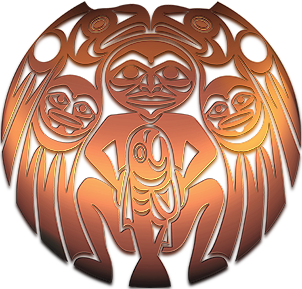
The Halalt originate from the village of xeláltxw, which means ‘marked houses’ or ‘painted houses’, a reference to the fact that the houseposts in this village were decorated. According to information collected by Rozen (1985), this village was once located in the Cowichan Valley, at the spot where the Silver Bridge currently crosses the Cowichan River, at the south-eastern edge of the city of Duncan. According to Cowichan oral history, the forefathers of both the Cowichan and Chemainus people (Siyóletse and St’éts’en respectively) originated from this village.
The residents of this village later relocated to a village at the north end of Willy Island, the largest of the Shoal Islands located just off the mouth of the Chemainus River, perhaps in the early part of the 19th Century. When they moved, they took the village name with them. Rozen (1985) reports that, historically, there were at least five or six houses in the village in Willy Island. Although the entire island was designated an Indian Reserve (Halalt Island No. 1), the village was abandoned in the 1920s and the residents moved to the Westholme reserve on the lower Chemainus River (Halalt No. 2).
Header Image is © to Kacey Gladstone
What’s Happening
- Chief Thomas Speaks Up
- Watershed Restoration PlanFor over two decades Halalt Leadership has been raising the issues the watershed is facing and highlighting the need for a Watershed Restoration Plan. The impacts felt by the community in the last 5 years are a stark reminder that BIG ACTION is needed. The Chemainus Watershed Initiative includes a collaborative table with representatives from… Read more: Watershed Restoration Plan
- Tl’uqtinus Judgment Delivery Plan 2025
- Day School Class Action UpdateWhere to find additional info on the Day school Class Action Case
- Day School Class Action Infoday_school_class_action
Notice of Proposed Local Revenue Laws and Invitation to Make Representations
Please see document below for details:

 Welcome to...